Why Play-Based Learning is Key for your children
Why Play-Based Learning is Key for Your Children
Play is not just fun for children. It is the foundation of how they learn, explore, and understand the world. At Kinder Castle Nursery, we use play-based learning because it helps children grow academically, socially, emotionally, and physically in the most natural way possible.
This guide explains why play is such a powerful tool in early childhood education and how it supports your child’s overall development.
What Is Play-Based Learning?
Play-based learning means children explore, discover, and create through activities that feel enjoyable and meaningful. Instead of being taught through strict instructions, they learn through curiosity, imagination, and hands-on experiences.
Examples of play-based learning include:
building blocks
pretend play
puzzles
sensory activities
painting and crafts
outdoor exploration
storytelling and role play
Through these simple activities, children learn big lessons.
Why Play is Essential for Early Development
1. Boosts Brain Growth
Play activates the brain in powerful ways. As children experiment, ask questions, and solve small problems, they build thinking skills that prepare them for future academics.
They learn concepts like:
numbers and counting
shapes and sizes
language and vocabulary
patterns and logic
All through fun, hands-on activities.
2. Strengthens Social Skills
Play teaches children how to:
share
cooperate
negotiate
take turns
communicate
These skills help them build friendships and feel confident in group settings.
3. Builds Emotional Strength
While playing, children learn how to express feelings, handle frustration, and manage challenges. Pretend play especially helps them understand emotions and develop empathy for others.
4. Improves Physical Development
Running, climbing, dancing, drawing, and building all support physical growth. Children strengthen their muscles, coordination, and motor skills while having fun.
5. Encourages Creativity and Imagination
Play lets children dream, pretend, and explore possibilities. These creative moments build confidence, problem solving skills, and the ability to think independently.
How Kinder Castle Nursery Uses Play to Support Learning
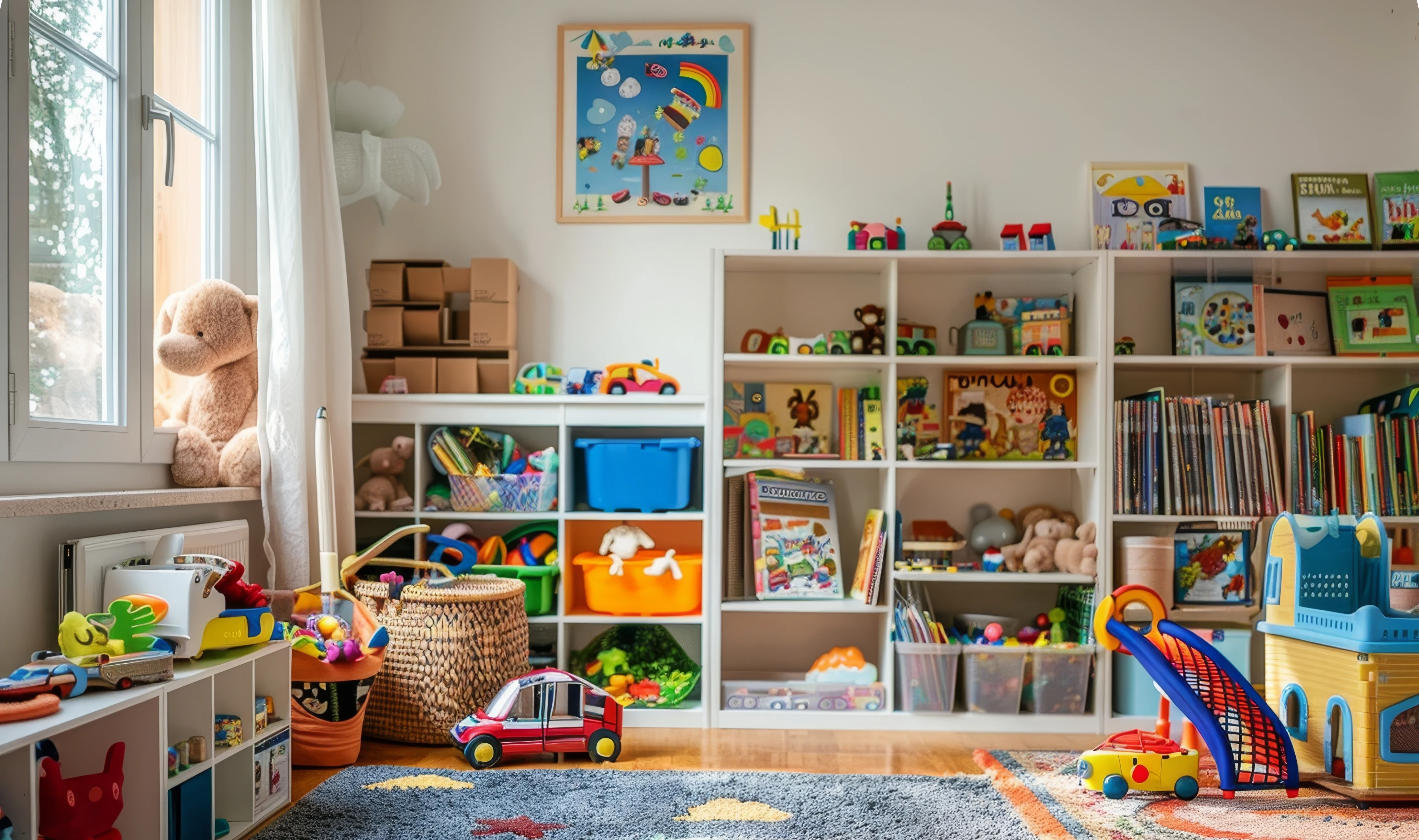
At Kinder Castle, play-based learning is at the heart of our curriculum. Our classrooms are designed to inspire exploration and discovery, while our teachers gently guide children’s play to support learning goals.
We include:
sensory tables for hands-on experiences
pretend play corners
art and craft stations
music and movement sessions
outdoor exploration activities
story and role-play time
Each activity is carefully planned to promote language development, social interaction, creativity, and confidence.
How Parents Can Support Play-Based Learning at Home
1. Provide simple toys
Blocks, puzzles, crayons, and pretend kitchen sets are great tools for learning.
2. Encourage open-ended play
Let children create their own games and storylines without too many rules.
3. Join the play
Children learn a lot when parents participate in pretend play, building, or storytelling.
4. Limit screens
Reducing screen time leaves more room for imagination and hands-on exploration.
5. Celebrate creativity
Praise your child’s ideas, even the messy or silly ones. This builds confidence and curiosity.
Final Thoughts
Play is the language of childhood. When children play, they are learning, growing, and discovering who they are. Play-based learning helps them develop essential skills that form the foundation for future academic success and emotional wellbeing.
At Kinder Castle Nursery, we believe that every child learns best when they feel happy, engaged, and supported. Through playful learning experiences, we help children build a bright and confident future.
Play is the work of childhood. Through play, children build the skills they will use for life.


